
Malcolm Turnbull wants to hold a plebiscite before the end of the year for the public to vote on equal marriage. But he still needs parliament’s support for this to happen.
The close election result means that, while he will have the support of the lower house, whether he can get support in the Senate is still not clear.
Australian Marriage Equality director Rodney Croome has called on parliament to simply put a bill for equal marriage to the vote saying, “There’s an increased majority of MPs in favour of marriage equality. If there was a free vote, there’s no doubt that the legislation would pass.”
There is no need for a plebiscite. It is already clear that the vast majority of the public support equal marriage. A Fairfax Ipsos poll just before the election found support had increased to 70 per cent of the population.
The plebiscite has only ever been a way for the Coalition to delay, and to paper over the divisions in the ranks of the Coalition parties on the issue. Even after a successful plebiscite, hardline homophobes in the Coalition will not be bound to support marriage equality legislation in parliament—although this is not going to prevent the legislation passing into law.
There is now likely to be a renewed push for a direct parliamentary vote. Labor leader Bill Shorten has suggested as much, avoiding questions about whether Labor will support a plebiscite and saying, “Let’s see if we can’t have a conscience vote in the Parliament first-off”.
A standoff, with the Senate demanding a parliamentary vote and the lower house supporting a plebiscite, is possible.
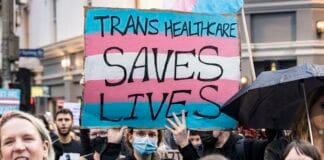
There have already been demonstrations called to demand a marriage equality bill be put directly to a parliamentary vote.
But if this fails, the situation could remain stuck where it was before the election—as long as the Liberals refuse a conscience vote, there are not the numbers for marriage equality to pass both houses.
This means that supporters of marriage equality must be prepared to fight and win a plebiscite. The opinion polls show that this would easily succeed. Some have raised concerns that a plebiscite campaign would unleash homophobia. But the overwhelming public support means they are more likely to be isolated.
The delays on marriage equality have gone on long enough—they can’t be allowed to last another three years.